Home » What is the difference between cross-staffing and transfer?
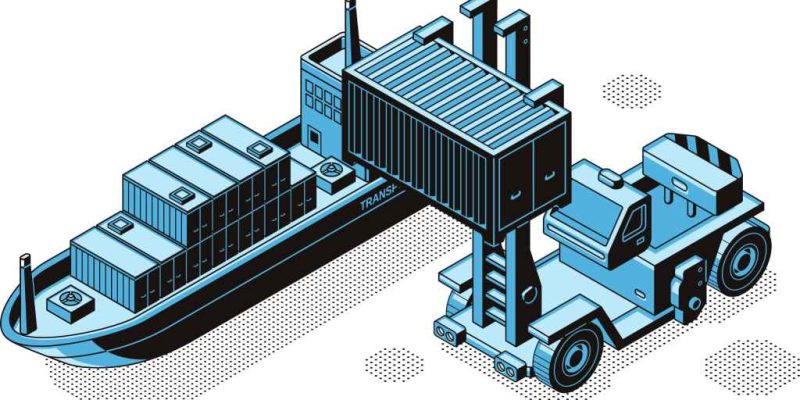
The main difference between cross-staffing and transshipment is that in cross-staffing, the route of the cargo does not change, while in transshipment, the cargo is first sent to an intermediate destination and then directed to the final destination, and the transportation route is changed. In addition, in the cross-staff, the load is completely emptied from the counter and transferred to another counter on the second ship. Meanwhile, in transshipment, the container with its contents moves to another ship.
Cross stuffing is one of the sea transportation methods that is used to send goods by sea. In this method, the cargo will not arrive from the source port to the destination port, but will be stopped in another port called the cross-staff port. In this port, the cargo is unloaded from the carrier container and reloaded into another container.
Using this method of transportation brings high costs for traders and merchants; Because in addition to the cost of freight, an additional cost for cross-staff must be paid. This cost is calculated depending on the nature of the goods, the type of packaging and the equipment needed for unloading and loading.
The cross-staff method is known as a common method in international business. This method is usually used when the cargo is sent from one country to another destination and in that destination they send it to the final destination by changing the container and reloading the cargo.
This method is used to reduce transportation costs and increase efficiency. However, the additional cost for cross-staffing must be paid by the transport employer.
The applications of cross-staffing in maritime transport are diverse and include the following:
This transportation method is especially used in cases where there is a need to transfer cargo from one container to another to protect goods or comply with port regulations.
In the following, we will learn about the advantages and disadvantages of this method:
Advantages
Disadvantages
According to the mentioned materials, the difference between cross-staffing and transshipment is in the transportation route and the change of route in addition to the type of cargo relocation:
In the past, when due to the large size of the ships, it was not possible to dock them in the ports of some countries, the cross-staffing method was used to break the cargo into smaller loads and put them in ships with smaller dimensions and send them to the destination ports. Now cross-staff has other uses.
Because the ship does not reach the destination directly and the loading operation is done in the middle of the way, the cost of cross-staffing is usually higher than other methods. Of course, its costs also depend on various factors; From the nature and size of goods and containers to the type of packaging and obtaining permits and using equipment and labor.
Usually, the businessmen of the countries that are under international sanctions use the cross-staffing method to bypass these bans so that they can change the identity of the country of origin by changing the ship and container.